February 3, 2026
In the serene world of landscape architecture, backyard ponds have carved a niche as beautiful and ecological havens. At the heart of creating these natural retreats lies the crucial process of excavation, which forms the foundation for a thriving aquatic ecosystem. This article delves into the multifaceted role of an excavation service in the construction of backyard ponds, exploring its techniques, challenges, and ecological benefits.
Understanding the Basics of Pond Excavation
Defining Excavation in the Context of Backyard Ponds
Excavation in the context of backyard ponds involves the removal of soil to create a depression where water can be retained for aquatic life. This foundational process is essential for establishing the pond's structure and its ability to support biodiversity. The depth and shape of the excavation are crucial as they influence water volume and temperature, directly impacting the pond's ecosystem. Whether it's a small ornamental pond or a larger wildlife refuge, understanding excavation is key to a successful project. It is this precise removal and configuration of earth that lays the groundwork for a thriving aquatic habitat.
Step-by-Step Overview of the Excavation Process
The excavation process begins with site selection and layout planning, followed by marking the perimeter of the future pond. According to Simplify Gardening, a wildlife pond should be 2 to 3 feet deep at its deepest point, with shallower areas of 8 to 12 inches to encourage plant growth. Next, the actual digging commences, often with the help of machinery for larger projects, to achieve the desired depth and shape. Once the initial excavation is complete, the sides and bottom of the pond are smoothed and contoured to enhance stability and aesthetic value. Checking and adjusting the pond grade and depth are important to ensure proper water retention and ecological balance, especially considering wildlife ponds should ideally be 2 to 3 feet deep at their deepest point. Finally, careful attention is given to drainage and overflow paths to prevent flooding and erosion.
Tools and Machinery Required for Effective Excavation
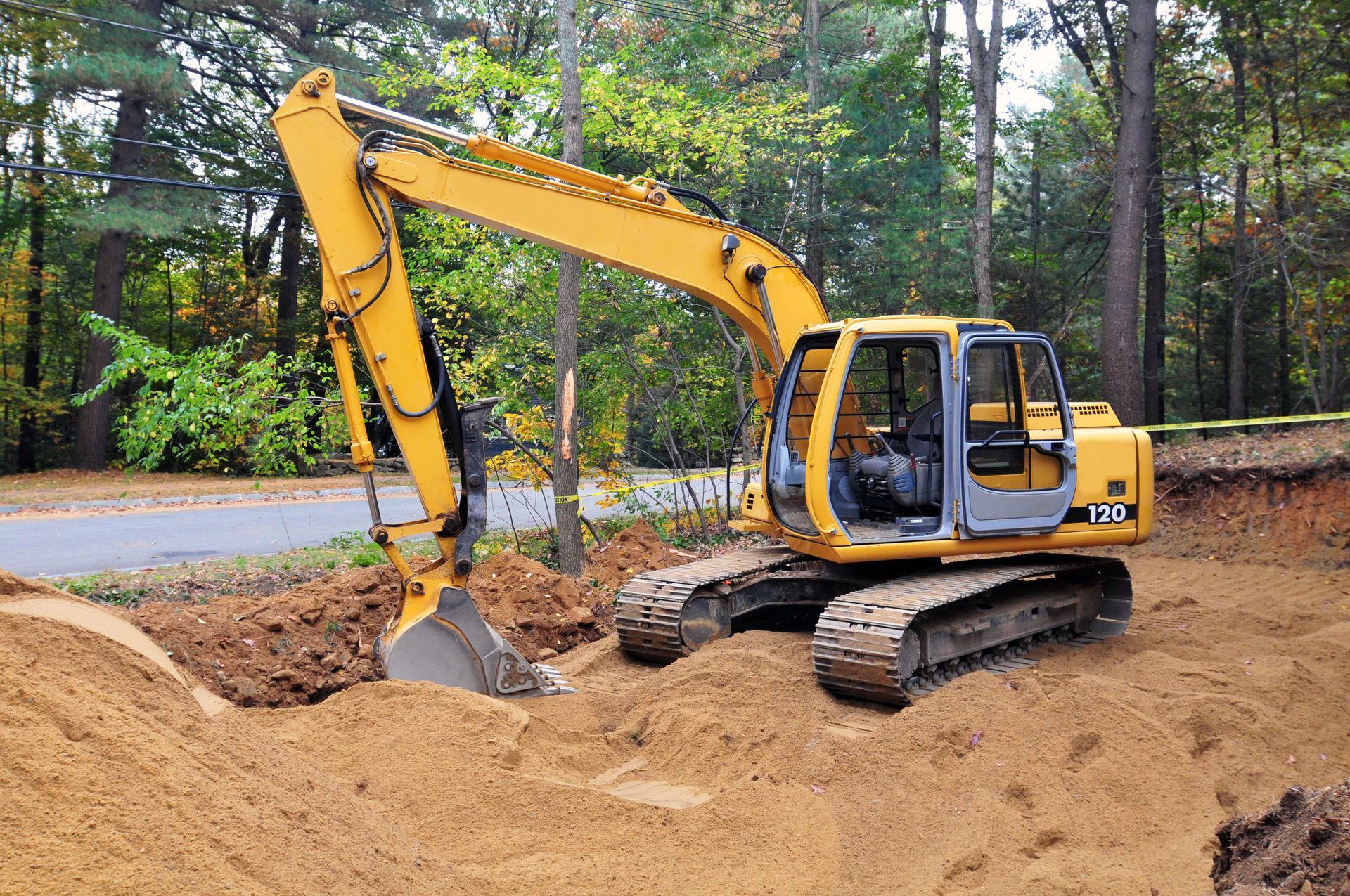
Effective pond excavation demands the right tools and machinery, depending on the project's scale. Simple backyard ponds may require only shovels, spades, and wheelbarrows, providing precision and control for intricate designs. Larger ponds often necessitate the use of excavators or backhoes, which speed up the process and manage large volumes of earth efficiently. Using appropriate tools not only ensures efficiency but also helps maintain the integrity of the pond's design. Selecting tools that match the scale and complexity of your project is crucial to achieving the desired outcome.
Role of Professional Excavators Versus DIY Pond Construction
The decision between hiring professional excavators or undertaking a DIY pond construction project often depends on budget, pond size, and personal experience. Professionals bring expertise and heavy machinery, ensuring precise excavations and adherence to ecological and legal standards. DIY projects, while potentially more cost-effective, demand considerable research and a thorough understanding of excavation techniques. For many homeowners, collaborating with experienced excavators provides peace of mind and a high-quality outcome. Balancing cost against time, safety, and quality can guide this crucial decision.
Planning Your Pond: Site Selection and Design Considerations
Evaluating Landscape and Topography for Optimal Pond Placement
Selecting the right site for your pond involves evaluating the landscape and topography to ensure optimal placement. Natural low areas in the yard can often provide ideal sites, requiring less excavation work while enhancing water retention. It's also essential to consider existing vegetation, tree roots, and underground utilities when choosing the location. Topographical considerations include the pond's impact on water flow and drainage in the surrounding area. A carefully chosen site mitigates potential water runoff issues and integrates the pond seamlessly into the landscape.
Designing for Aesthetic Appeal and Natural Integration
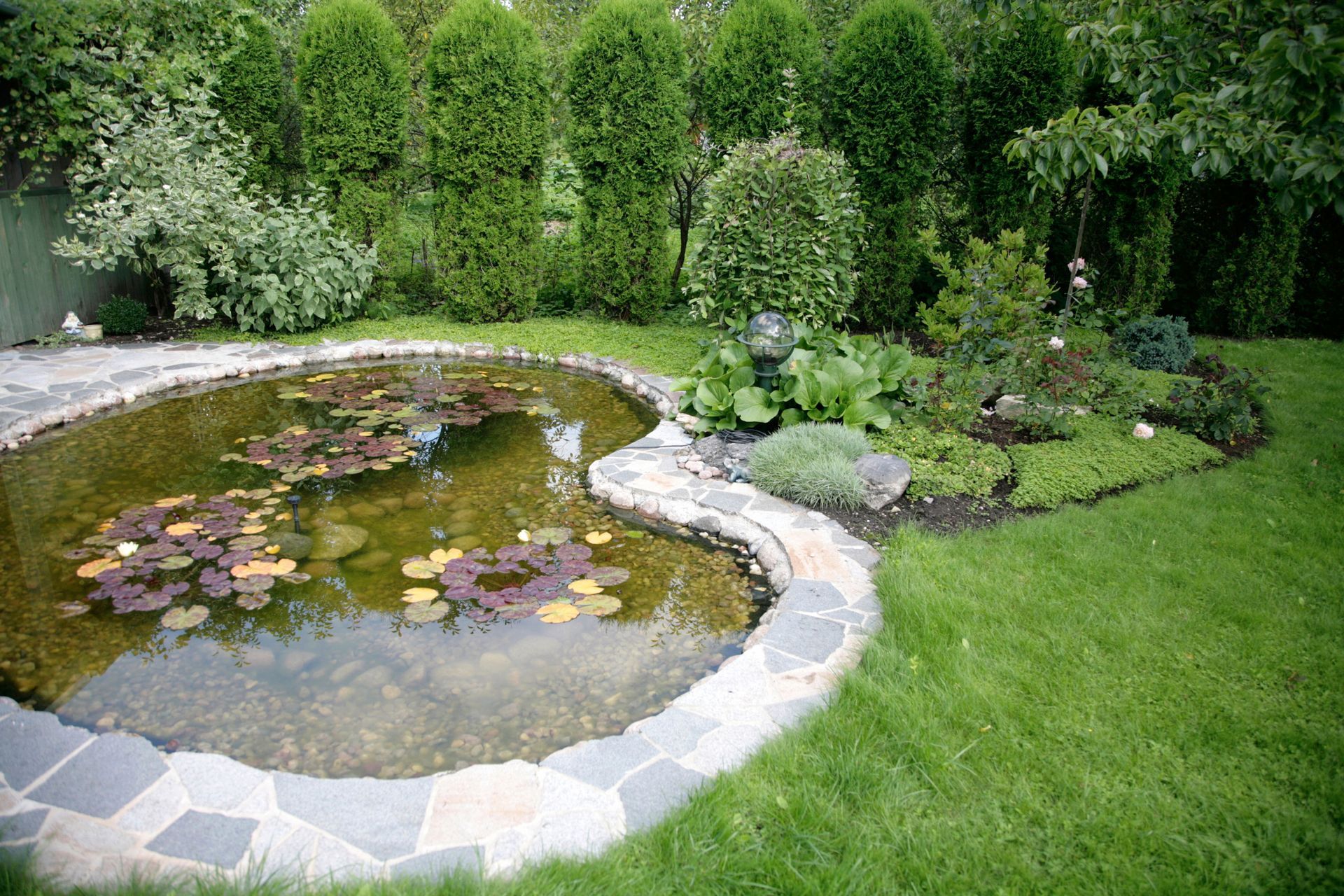
The design phase of pond creation focuses on integrating the water feature aesthetically with the surrounding environment. Shapes, depths, and edge treatments are designed to reflect natural water bodies, enhancing visual appeal. Effective design also accounts for natural elements, such as native plants and stones, to promote seamless integration. Adding features like waterfalls or meandering streams can increase visual interest and provide auditory enjoyment. A well-designed pond becomes a harmonious part of the landscape, inviting wildlife and offering a peaceful retreat for humans.
Considering Sunlight and Shade for Healthy Pond Ecosystems
Sunlight and shade play vital roles in maintaining a pond's ecological balance, influencing plant growth and water temperature. Too much sunlight can lead to excessive algae growth, while too much shade can hinder photosynthesis in aquatic plants. Ideally, a pond should receive around four to six hours of sunlight daily to sustain a healthy ecosystem. Incorporating shaded areas, either naturally or through landscaping, can provide refuge for wildlife during hot days. These considerations directly impact the ability of a pond to support diverse aquatic life and maintain water quality.
Legal and Environmental Regulations Affecting Pond Excavation
When planning a backyard pond, it is crucial to consider the legal and environmental regulations that might impact an excavation service. Many regions have specific laws governing water features, particularly concerning water rights and conservation. Environmental protection measures may also be required to preserve local habitats, especially if the excavation service affects water tables or wetlands. Checking with local authorities for permits and compliance with zoning laws is a necessary part of the planning process. Navigating these regulatory landscapes ensures that your pond project proceeds legally and sustainably.
Different Excavation Techniques for Diverse Pond Styles
Traditional Digging and Shaping Methods
Traditional digging and shaping methods in pond excavation rely on manual labor and simple tools, suitable for small or intricate designs. This hands-on approach provides greater control over the excavation process and allows for detailed sculpting of the pond's contours. Shaping is crucial for the pond's functionality, affecting water flow and habitat zones. Implementing traditional methods can enhance the natural aesthetic of the pond, as soil is delicately worked to resemble natural water formations. This technique, while labor-intensive, allows for personalized customization of a backyard oasis.
Layered and Staggered Excavation for Depth Variability
Layered and staggered excavation techniques from an excavation service involve creating different depth zones within the pond, promoting biodiversity by catering to various aquatic species. These methods consist of excavating shelves or ledges at varying depths, encouraging plant growth and habitat diversity. For instance, shallow areas of 8 to 12 inches allow aquatic plants to thrive, while deeper zones provide cooler habitats for fish. The layered approach supports a balanced ecosystem by providing both sunlit and shaded zones within the pond. This technique enhances ecological richness and aesthetic complexity.
Innovative Techniques for Small and Complex Pond Designs
For smaller or more complex pond designs, innovative excavation techniques from an excavation service offer creative solutions beyond traditional methods. These can include the use of formwork or pre-cast pond liners to shape intricate designs or constrained spaces. When space is limited, vertical elements and terracing can create visual interest and maximize available area. Advanced design software and laser-guided excavation tools also aid in achieving precise, intricate pond layouts. Embracing creativity and innovation allows for the realization of unique water features tailored to specific environments and personal preferences.
Use of Excavators and Backhoes in Large Pond Projects
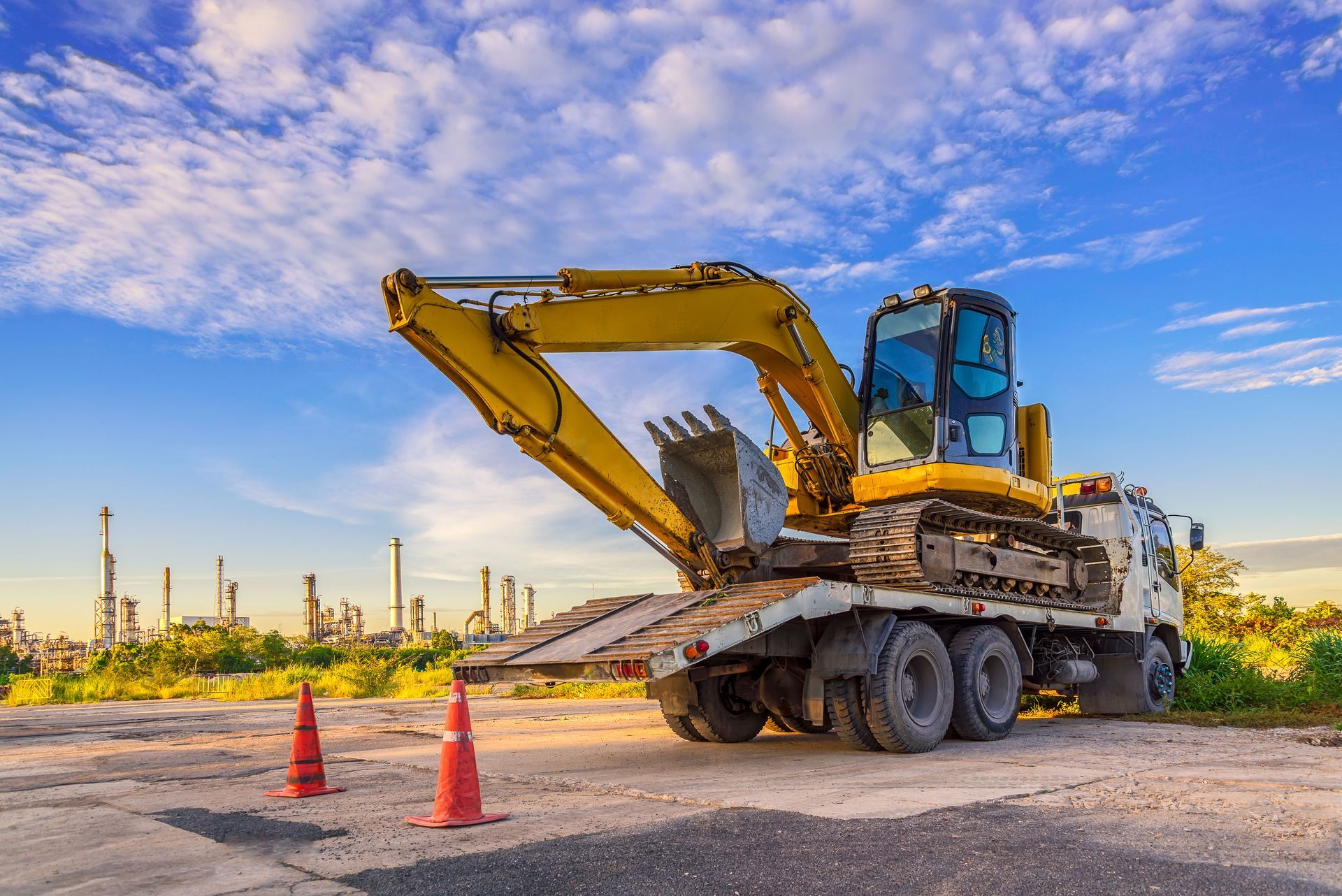
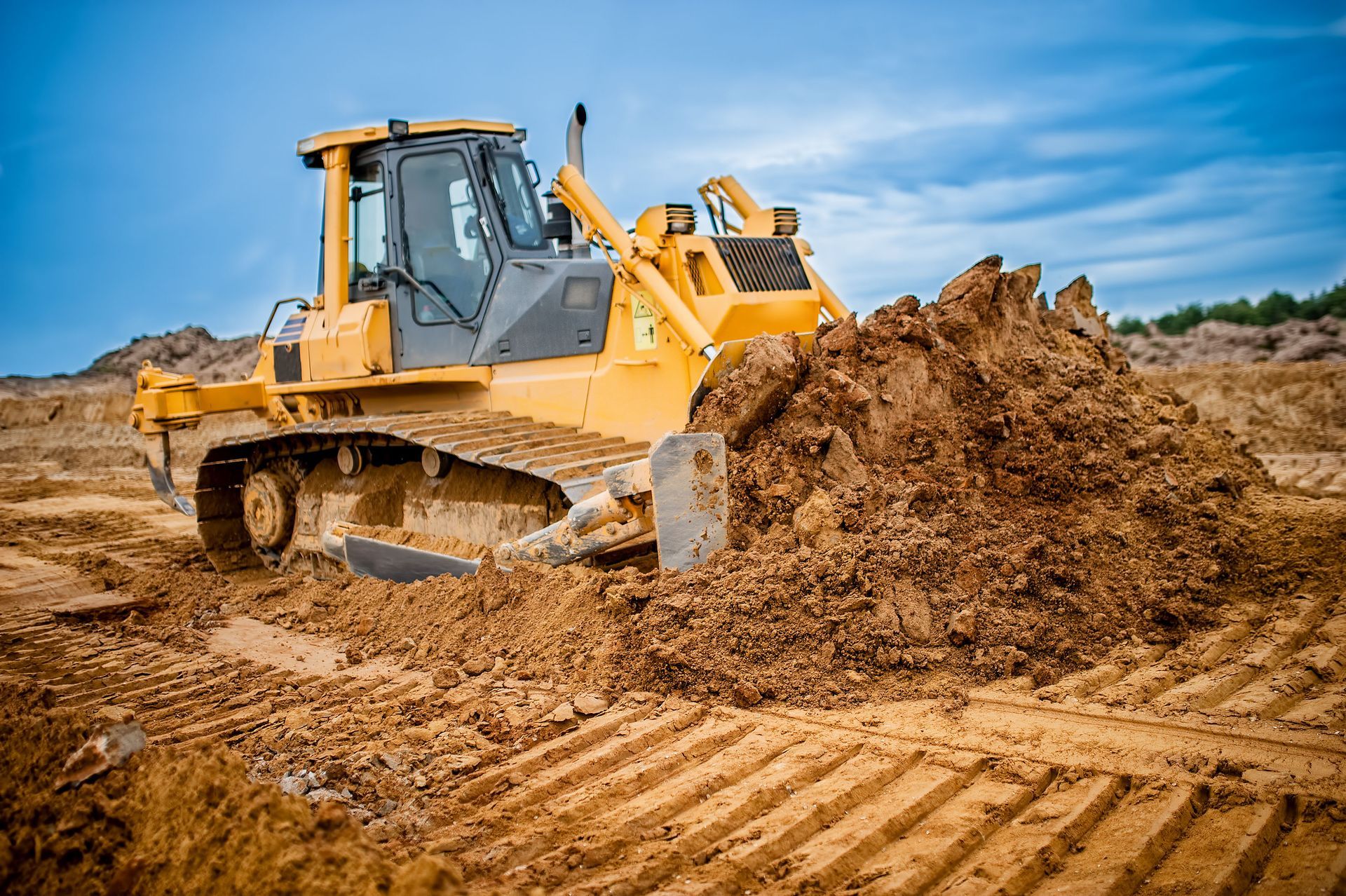
In large pond projects, the use of excavators and backhoes becomes essential to handle the considerable volume of earthmoving efficiently. These powerful machines offer speed and precision, drastically reducing the labor and time required for excavation. With skilled operators, such equipment can create precise contours and gradients needed for large-scale pond designs. However, their usage may be restricted by site access or soil conditions, requiring careful planning and potentially additional equipment like cranes. Employing these machines transforms large pond projects from challenging endeavors into feasible undertakings.
Excavation is the cornerstone of creating a successful backyard pond, providing not only the physical structure but also laying the groundwork for ecological harmony. By understanding the nuances of an excavation service, from site planning to post-excavation management, homeowners can transform their landscapes into tranquil oases that support diverse life forms. As we embrace sustainable landscaping practices, the intricate role of an excavation service in pond creation becomes a vital chapter in nurturing our natural surroundings. Reach out to Devos Excavating LLC today to see how we can help you!